
Frequently Asked Questions
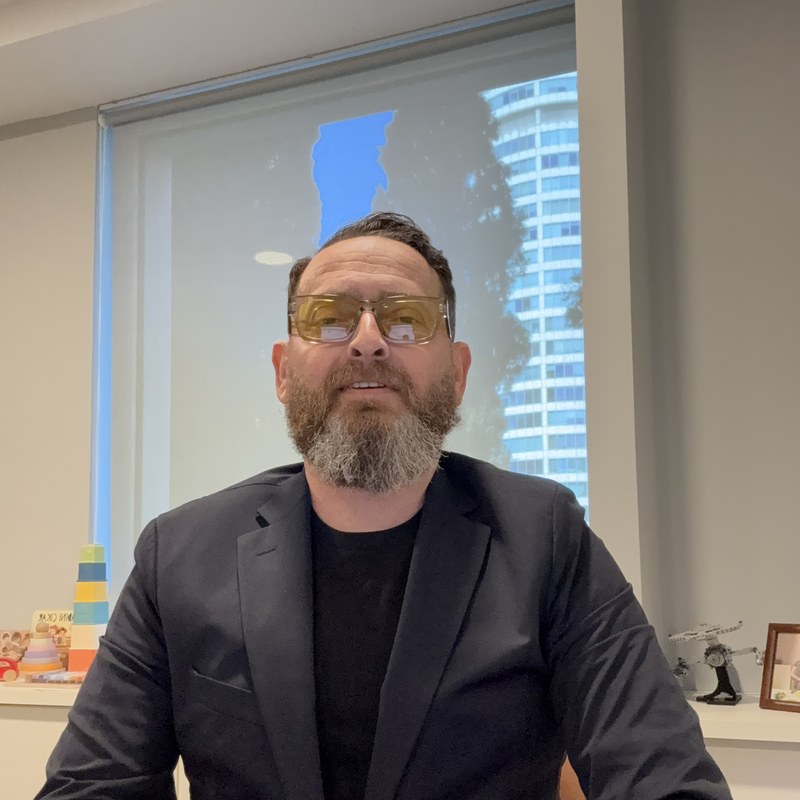
Specialist in Pediatric Neurology & Developmental Pediatrics
İstanbul University-Cerrahpaşa Faculty of Medicine · Nörogender Association
Last reviewed:
Does cerebral palsy get worse over time?
No. The damage in the brain itself is not progressive. However, the appearance can change because of growth, secondary musculoskeletal problems, or untreated accompanying issues. If you notice a genuine loss of a skill, tell your doctor.
Will my child never be able to walk?
This cannot be said from the diagnosis alone; the GMFCS level and age-related findings provide a more accurate prediction. This assessment must be made by the doctor who follows your child.
How early should we start physiotherapy?
As early as possible; starting early intervention even at the "high-risk" stage is valuable for making use of neuroplasticity.
What should I do if my child has a sudden seizure?
Stay calm, move them away from hard objects, lay them on their side, do not put anything in their mouth, and time the seizure. If it lasts longer than 5 minutes, go to the emergency room.
My child is constantly constipated — is this normal?
It is common, but it is not something to ignore; regular fluid/fiber intake and the use of a laxative on a doctor's recommendation are usually effective.
Is Botox (botulinum toxin) safe?
When applied at the right dose by an experienced doctor, it is generally safe, and its effect is temporary (3-6 months).
Will a gastrostomy completely stop my child from eating by mouth?
No, unless it is deemed necessary. Many children can continue with both oral and tube feeding.
My child's eyes look fine, but he behaves as if he can't see — is that possible?
Yes; this is called cortical visual impairment. The problem is not in the eye, but in the brain's processing of visual information.
Will exosome or stem cell therapy 'cure' my child?
These treatments can contribute as part of rehabilitation in selected cases; they do not eliminate cerebral palsy entirely.
Is TMS painful — will it harm my child?
No, it is painless and non-invasive. The most common side effect is a mild headache.
Can I take my child to the pool/sea in the summer months?
Yes, but constant and direct adult supervision is essential; extra care is needed for children with epilepsy.
What should I be sure to tell the teachers at school?
I recommend sharing the GMFCS/MACS/CFCS levels, the epilepsy status, the emergency plan, and the AAC system if there is one.
How should we explain the situation to our other children?
Explaining it in an age-appropriate, honest, and simple way is the healthiest approach.
Are all the medications used in cerebral palsy taken for life?
No. Some medications (for example, certain antiepileptics) can be gradually reduced and stopped under a doctor's supervision after a certain seizure-free period; some spasticity treatments, on the other hand, are already temporary in effect (such as botulinum toxin). This decision is always made individually by the doctor who follows your child.
Will my child's sibling also have cerebral palsy?
In most cases, the recurrence risk in siblings is close to that of the general population; however, if a genetic cause has been identified, the risk may change. For clear information on this matter, a genetic counseling appointment can be helpful.
Does every child who has a febrile seizure develop epilepsy?
No, the vast majority of febrile seizures do not turn into epilepsy. However, in the presence of certain risk factors (such as prolonged or recurrent febrile seizures), your doctor may recommend closer follow-up.
Is CIMT (constraint-induced movement therapy) suitable for every child?
No, CIMT is an approach considered especially in children with hemiplegia, under certain conditions. Its suitability should be assessed by your therapist and doctor.
Can children with cerebral palsy play sports?
Yes, appropriately adapted sports activities (swimming, disability sports, adapted team games) provide great benefit both physically and socially. Which sport is suitable should be assessed according to the GMFCS level and overall health status.
Is selective dorsal rhizotomy (SDR) recommended for every child?
No, SDR is an irreversible surgical method considered in selected children, usually with leg-dominant spasticity, who have been carefully assessed by a multidisciplinary team.
Is melatonin harmful if used for a long time?
Melatonin is generally a well-tolerated supplement; however, it is recommended that even long-term use be carried out under a doctor's supervision and reviewed at regular intervals.
Bu site yalnızca bilgilendirme amaçlıdır. İçerikler tanı, tedavi veya reçete yerine geçmez; doktorunuzun bakımının yerini almaz.